Children and teens
The best musical start for your child
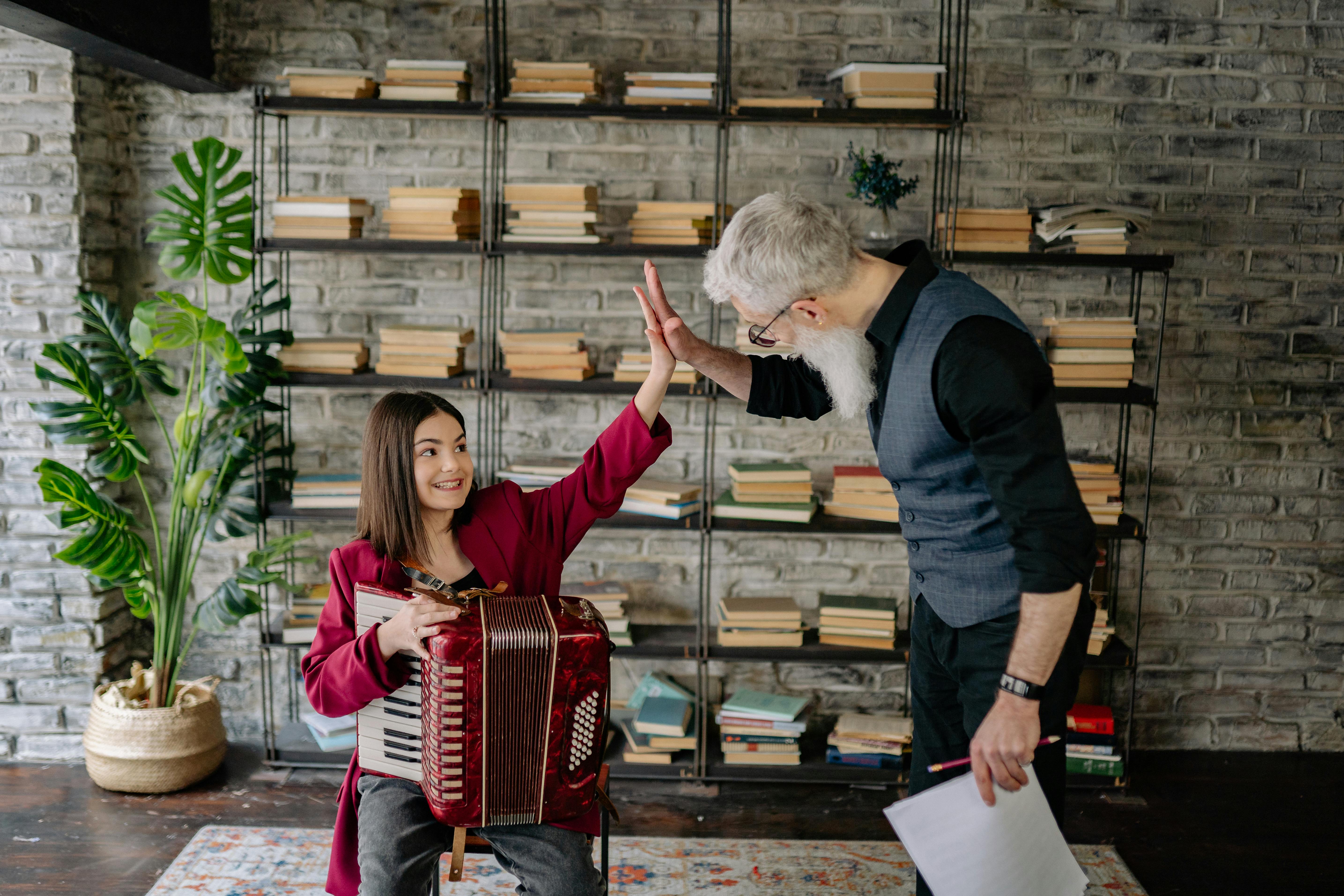
Choosing the right instrument for your child is about more than just sound
It profoundly influences their musical development, personal growth, and lifelong connection to music. Here's a comprehensive guide to selecting the best instrument for your child and understanding the factors that contribute to a successful and rewarding musical journey. Instrument selection impacts physical development, cognitive skills, and emotional expression. Finding the right match involves considering your child's age, physical capabilities, personality traits, and musical interests. This thoughtful approach helps ensure sustained engagement and meaningful progress.
The right instrument choice can ignite a passion for music. Matching an instrument to your child's natural abilities and interests creates an enjoyable experience.
Physical and developmental factors
The right instrument choice can ignite a lifelong passion for music. Matching an instrument to your child's natural abilities and interests creates an enjoyable learning experience. This includes age-appropriate sizing, comfortable hand positioning, and manageable weight for sustained practice.
Key considerations:
Age-appropriate instrument size and weight for comfortable handling
Hand size and finger dexterity requirements for different instruments
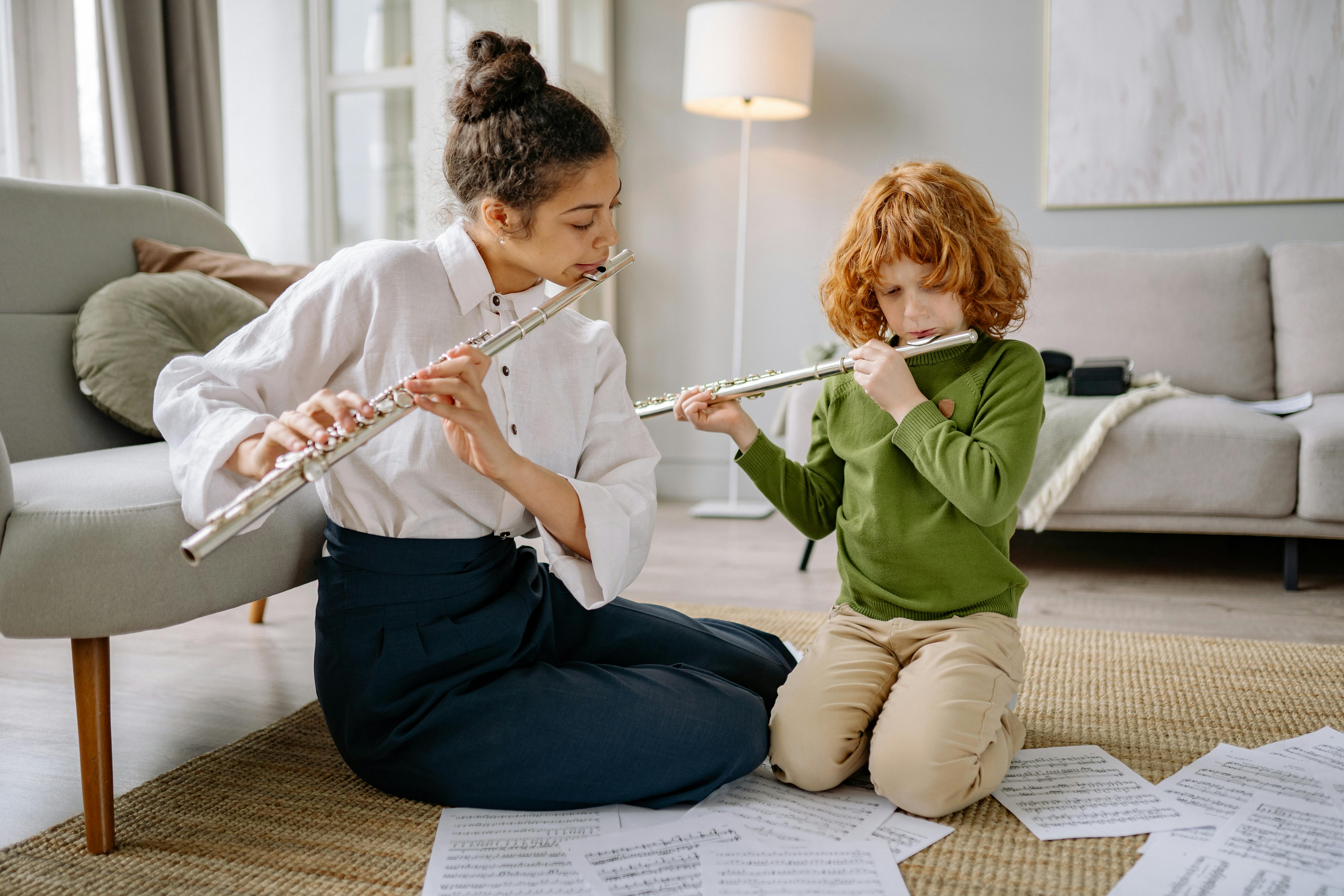
Breath capacity and embouchure development for wind instruments
The physical demands of each instrument vary significantly. Smaller children may struggle with larger instruments like tuba or cello, while instruments like violin, ukulele, or recorder offer excellent starting points. Understanding these physical requirements helps prevent frustration and supports steady progress.
Personality and musical preferences
Observing whether your child gravitates toward rhythm, melody, or harmony provides valuable insight. Energetic children may thrive on drums or percussion, while introspective personalities often connect with piano or guitar. Matching instrument to temperament creates natural motivation and sustained enthusiasm. Consider your child's preferred music genres and whether they enjoy solo performance or collaborative playing. These preferences guide you toward instruments that will maintain their interest and inspire dedicated practice.